Easy and budget-friendly woodworking ideas for creating personalized wood crafts and home accents.

Showing posts with label Christmas. Show all posts

Profitable Wall Shelf Ideas for Beginners to Build and Sell

Profitable Wall Shelf Ideas for Beginners to Build and Sell

Profitable Wall Shelf Ideas for Beginners to Build and Sell

Are you looking for a fun and rewarding woodworking project that can also generate some extra income? Building and selling wall shelves is a great option for beginners, as it's relatively easy to learn and offers a wide range of customization possibilities. With a little creativity and effort, you can create beautiful and functional shelves that will appeal to a variety of customers.

The best part? You don't need a fancy workshop or expensive tools to get started. With basic woodworking skills and some readily available materials, you can craft stunning shelves that will enhance any home décor.

When it comes to wall shelves, the possibilities are endless. Here are a few popular styles that are always in demand:

Floating Shelves

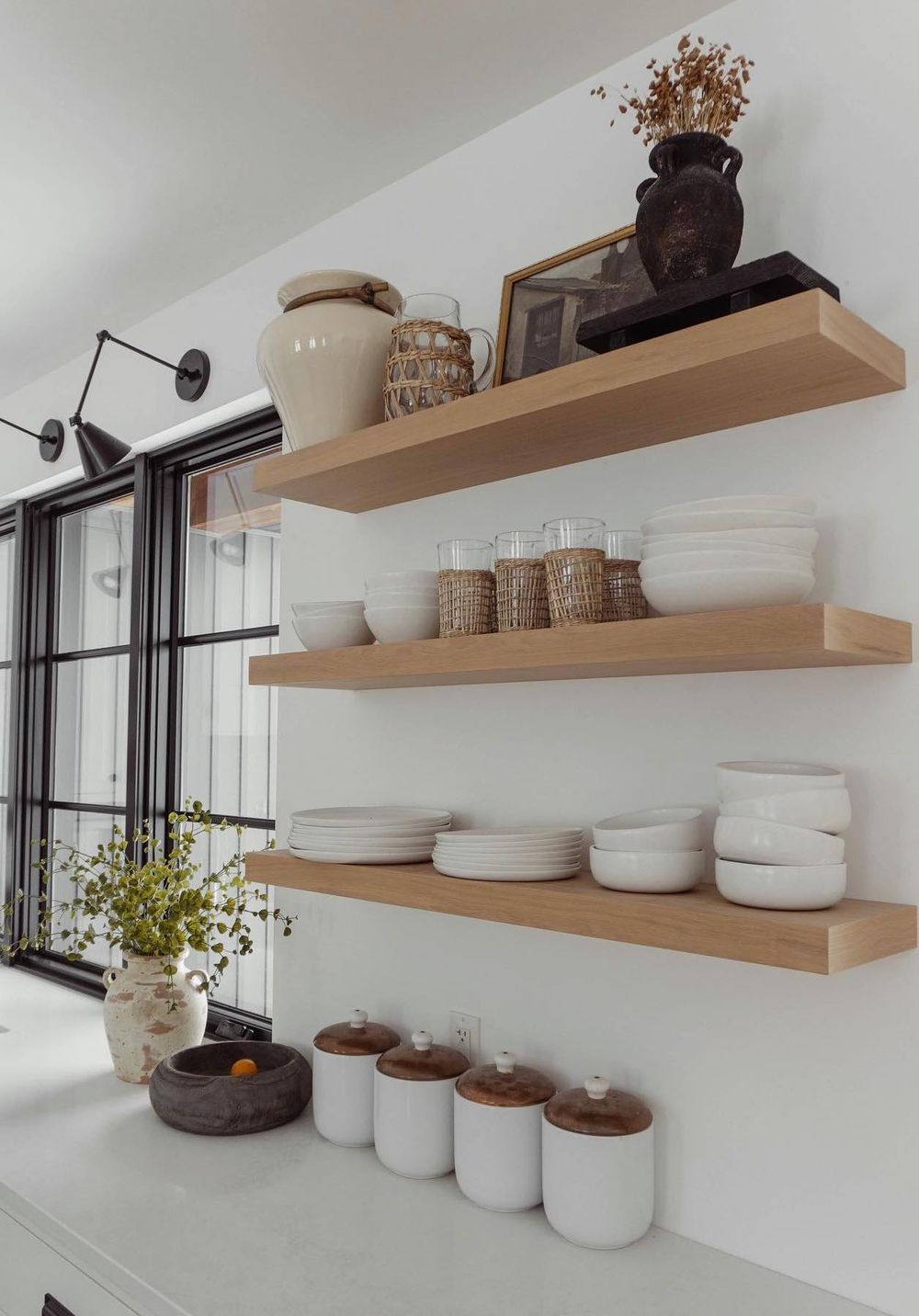
Floating shelves are a modern and minimalist design that creates the illusion that the shelves are floating in mid-air. They're perfect for showcasing decorative items, books, or plants. You can build these shelves using simple materials like plywood, MDF, or reclaimed wood. Be sure to use sturdy brackets or hidden supports to ensure they are securely mounted.

Corner Shelves

Maximize space and add a touch of charm to your room with corner shelves. These shelves are ideal for fitting into tight corners, making them perfect for small apartments or rooms with limited wall space. You can create single or multi-tiered corner shelves, using wood, metal, or even acrylic to suit your style and the customer's preference.

Ladder Shelves

Ladder shelves offer a unique and rustic aesthetic that's perfect for adding character to any room. They can be made using reclaimed wood or new lumber, and they come in a variety of sizes and designs. You can create simple ladder shelves with a few horizontal rungs or add additional features like drawers or baskets for extra storage.

Industrial Shelves

Industrial shelves are a popular choice for those who appreciate a modern, edgy style. These shelves often feature exposed metal brackets or pipes, paired with wood or metal shelves for a raw and functional look. You can experiment with different metal finishes and wood stains to create unique industrial designs.

Tips for Success

Here are some tips to help you succeed in building and selling profitable wall shelves:

  • Identify your target market. Who are you trying to reach with your shelves? Are you targeting home décor enthusiasts, minimalist shoppers, or those seeking rustic charm?
  • Research your competitors. See what other sellers are offering and identify any gaps in the market that you can fill. Consider offering unique designs or using sustainable materials to stand out.
  • Create a strong brand identity. Develop a consistent look and feel for your business, including a logo, website, and social media presence. This will help customers recognize and remember your brand.
  • Take high-quality photos. Showcase your shelves in well-lit, attractive settings to entice potential buyers. Consider hiring a professional photographer if needed.
  • Price your shelves competitively. Research your costs and consider your time and effort when setting your prices. Offer discounts for bulk orders or seasonal promotions.
  • Provide excellent customer service. Respond promptly to inquiries, offer personalized recommendations, and handle any issues promptly. Building positive relationships with customers is key for long-term success.

Marketing Your Shelves

Once you have built your shelves, it's time to get them in front of potential buyers. Here are some effective marketing strategies:

  • Online marketplaces. Sell your shelves on popular platforms like Etsy, Amazon Handmade, and Facebook Marketplace. These platforms offer a large audience of potential customers.
  • Social media. Promote your shelves on Instagram, Pinterest, and Facebook using eye-catching photos and videos. Share behind-the-scenes content of your crafting process to build excitement and engagement.
  • Local craft fairs and markets. Connect with customers in person and showcase your shelves at local craft fairs and markets. This is a great opportunity to build relationships and gather feedback.
  • Collaborate with other businesses. Partner with local home décor stores, interior designers, or bloggers to promote your shelves. You can offer discounts or special promotions for their customers.
  • Word-of-mouth marketing. Encourage satisfied customers to leave reviews and share their experiences with others. Positive word-of-mouth can be very effective for spreading the word about your business.

Building and selling wall shelves can be a fulfilling and profitable venture for beginners. With a little creativity, dedication, and these tips, you can create a thriving business that allows you to share your passion for woodworking with the world.

Share:

How to Build Custom Wooden Lawn Chairs for Extra Income

How to Build Custom Wooden Lawn Chairs for Extra Income

Building Custom Wooden Lawn Chairs for Extra Income: A Comprehensive Guide

In an era where people are increasingly seeking ways to enhance their outdoor spaces, the demand for comfortable and stylish lawn chairs has surged. Building custom wooden lawn chairs presents a compelling opportunity to generate extra income, tap into your creative potential, and contribute to a burgeoning market. This guide provides a comprehensive roadmap for crafting exceptional wooden lawn chairs, encompassing everything from design and materials to marketing and sales.

Crafting a Winning Design

The cornerstone of any successful lawn chair lies in its design. A well-conceived design will not only be aesthetically pleasing but also offer optimal comfort and durability. Consider the following:

Ergonomics and Comfort:

  • Backrest Angle: A slight recline of 100-110 degrees provides comfort and supports the lumbar region.
  • Seat Depth and Height: Aim for a seat depth of 18-20 inches and a height that allows for comfortable leg positioning.
  • Armrests: Include armrests that are wide and slightly angled for optimal support.

Style and Aesthetics:

  • Traditional or Modern: Decide on a design aesthetic that resonates with your target market. Traditional styles often feature intricate carvings and curves, while modern designs prioritize clean lines and simplicity.
  • Wood Species: Choose wood that complements your chosen style. Cedar, teak, and redwood offer natural durability and resistance to moisture, while maple, oak, and cherry provide beautiful grain patterns and strength.
  • Finishing Touches: Incorporate finishing touches like decorative hardware, stain colors, or hand-painted details to enhance the chair's appeal.

Durability and Stability:

  • Joint Strength: Employ strong joinery techniques, such as mortise and tenon joints, to ensure stability and longevity.
  • Wood Thickness: Use appropriately thick wood to withstand weight and prevent warping.
  • Load Capacity: Design the chair to accommodate the weight of average adults, ensuring safety and durability.

Selecting the Right Materials

The materials you choose will significantly influence the chair's quality, durability, and visual appeal. Carefully evaluate the following:

Wood Species:

  • Cedar: Known for its natural resistance to decay and insects, cedar is a popular choice for outdoor furniture. Its warm reddish-brown color adds a touch of rustic elegance.
  • Teak: Highly durable and naturally weather-resistant, teak is a premium wood option. Its rich golden-brown color and distinctive grain pattern make it a coveted material.
  • Redwood: Similar to cedar, redwood is naturally resistant to moisture and decay. Its deep reddish-brown hue adds a touch of warmth and vibrancy.
  • Hardwoods (Oak, Maple, Cherry): While not as naturally weather-resistant as cedar or teak, hardwoods like oak, maple, and cherry offer exceptional strength and beauty. They are suitable for indoor use or with proper protection for outdoor applications.

Hardware and Fasteners:

  • Screws: Opt for high-quality screws designed for outdoor use, ideally made from stainless steel or coated with a corrosion-resistant finish.
  • Joints: Use durable, weather-resistant glue for wood joints, ensuring a secure and long-lasting bond.
  • Finishing Products: Choose durable finishes like exterior-grade stains or paints that provide protection against UV rays, moisture, and insects.

Building Your Wooden Lawn Chairs

Armed with a winning design and the right materials, you're ready to begin the building process. Here's a detailed breakdown of key steps:

1. Cutting and Shaping the Wood:

  • Plan Your Cuts: Using your design plans, precisely measure and mark the wood for each piece.
  • Utilize Power Tools: Employ a table saw, chop saw, or circular saw to make precise cuts.
  • Sanding: Smooth all surfaces and edges with sandpaper to ensure a consistent finish.

2. Assembling the Chair Frame:

  • Joinery Techniques: Utilize mortise and tenon joints, dowels, or pocket hole screws to create strong and durable connections.
  • Glue and Clamps: Apply a generous amount of exterior-grade glue to all joints and clamp them securely until the glue dries.
  • Check Alignment: Regularly check the alignment of the frame to ensure that all components are square and balanced.

3. Attaching Seat and Backrest:

  • Shape Seat and Backrest: Cut and sand the wood for the seat and backrest, ensuring a comfortable curvature and thickness.
  • Securely Attach: Attach the seat and backrest to the frame using strong screws or dowels, ensuring a tight and stable fit.
  • Reinforce Joints: Consider using corner blocks or braces for added support and rigidity.

4. Adding Armrests:

  • Shape Armrest Components: Cut and sand the wood for the armrests, ensuring a comfortable height and angle.
  • Attach Armrests to Frame: Use screws, dowels, or mortise and tenon joints to securely attach the armrests to the frame.
  • Ensure Comfortable Position: Carefully check the armrest height and angle to ensure a comfortable and natural resting position for the arms.

5. Finishing Touches:

  • Sanding and Smoothing: Thoroughly sand all surfaces to remove any imperfections and create a smooth finish.
  • Applying Finish: Choose a durable, weather-resistant stain or paint that complements the chair's design and wood species. Apply multiple coats for optimal protection and durability.
  • Hardware and Accessories: Install decorative hardware, such as metal accents, or add accessories like cushions or seat pads for enhanced comfort.

Marketing and Selling Your Custom Chairs

With your handcrafted wooden lawn chairs complete, it's time to showcase your artistry and generate income. Consider these marketing strategies:

1. Build an Online Presence:

  • Website or Portfolio: Create a website or online portfolio to showcase your chair designs, materials, and pricing. Include high-quality photos and descriptions highlighting the craftsmanship and unique features of your products.
  • Social Media Marketing: Utilize platforms like Instagram, Facebook, and Pinterest to promote your chairs, share behind-the-scenes glimpses of your craft, and engage with potential customers.
  • Online Marketplaces: List your chairs on popular online marketplaces like Etsy, Shopify, or Amazon Handmade, expanding your reach and exposure to a broader audience.

2. Local Market Opportunities:

  • Craft Fairs and Festivals: Participate in local craft fairs and festivals to display your chairs, interact with potential customers, and gain valuable feedback.
  • Farmers' Markets: Set up a booth at local farmers' markets, tapping into a community-oriented audience interested in handcrafted goods.
  • Home Improvement Stores: Contact home improvement stores or garden centers about potential partnerships or consignment agreements.

3. Network and Collaborate:

  • Connect with Interior Designers: Establish relationships with interior designers and home staging professionals who may recommend your custom chairs to clients.
  • Collaborate with Other Artisans: Partner with other artisans or craftspeople to cross-promote products and expand your customer base.
  • Join Industry Organizations: Network with other furniture makers through local woodworking clubs or industry organizations.

Pricing Your Chairs

Setting competitive pricing for your custom wooden lawn chairs requires careful consideration of various factors. Here's a guide to help you determine a fair and profitable price:

1. Material Costs:

  • Wood: Calculate the cost of all wood materials, including any necessary treatments or coatings.
  • Hardware and Fasteners: Account for the cost of screws, glue, joints, and other hardware.
  • Finishing Products: Include the cost of stain, paint, or other finishing materials.

2. Labor Costs:

  • Time Investment: Estimate the number of hours spent on each chair, including design, cutting, assembly, and finishing.
  • Hourly Rate: Determine a fair hourly rate for your labor, reflecting your skills and experience.
  • Overhead Costs: Account for overhead costs like rent, utilities, and tools.

3. Market Analysis:

  • Competitor Pricing: Research the prices of similar chairs offered by other artisans or manufacturers.
  • Target Market: Consider the price range that your target market is willing to pay for handcrafted furniture.
  • Value Proposition: Highlight the unique features and craftsmanship of your chairs, justifying a premium price.

Additional Tips for Success

  • Continuously Improve Your Skills: Invest in woodworking courses, workshops, or online tutorials to enhance your craft skills and stay abreast of new techniques.
  • Seek Feedback: Engage with customers and ask for feedback on your chairs to identify areas for improvement and cater to evolving preferences.
  • Offer Customizations: Consider offering customization options to enhance the appeal of your chairs and cater to individual customer needs.
  • Build a Strong Brand Identity: Develop a consistent brand name, logo, and marketing materials to create a distinctive presence in the market.
  • Provide Excellent Customer Service: Ensure prompt communication, address customer concerns, and offer a positive purchasing experience.

Building custom wooden lawn chairs presents a rewarding opportunity to turn your passion into profit. By carefully crafting your designs, selecting quality materials, mastering the building process, and employing effective marketing strategies, you can establish a successful business that brings joy to customers and extra income to your endeavors.

Share:

人気の投稿

Powered by Blogger.